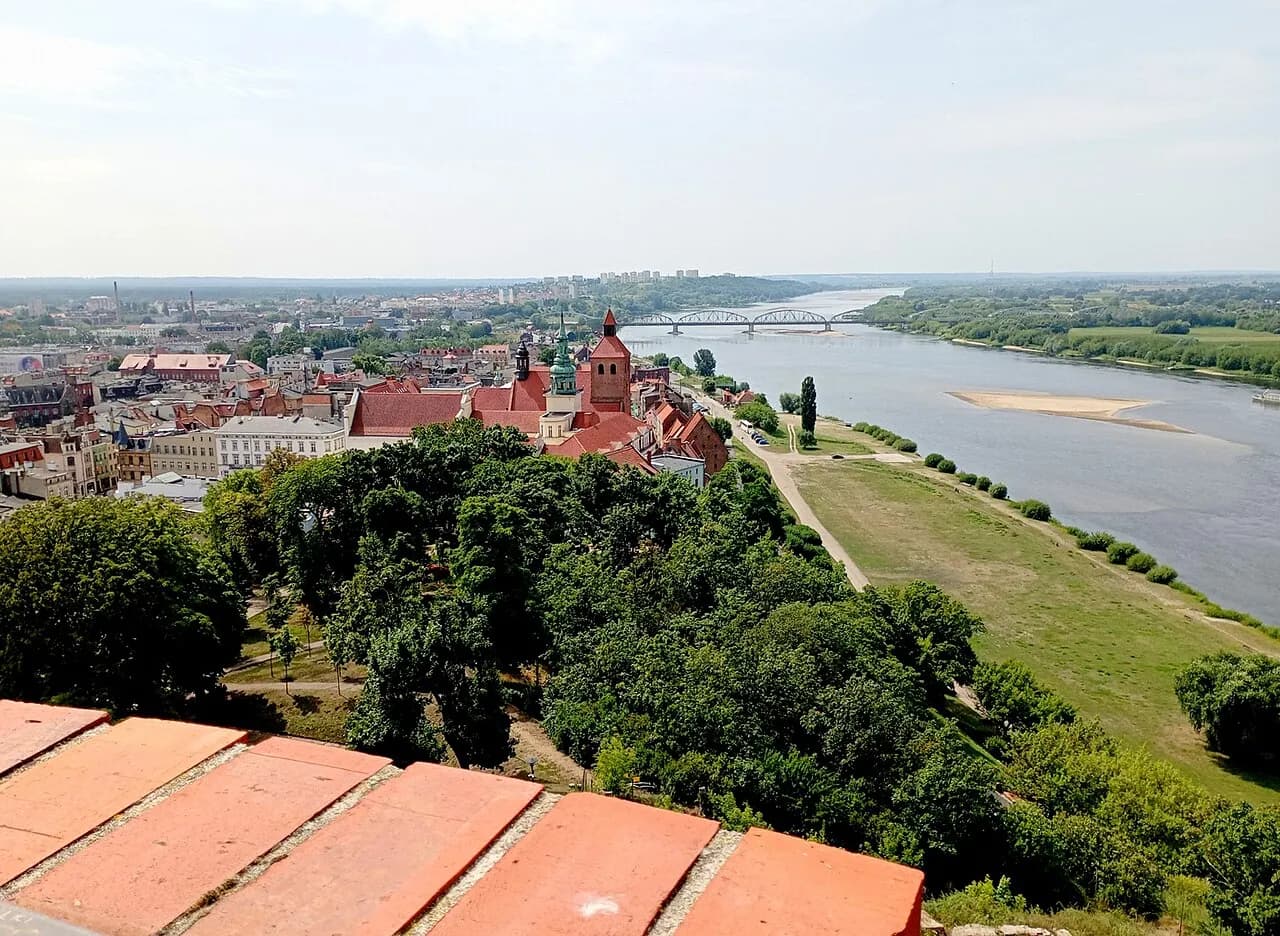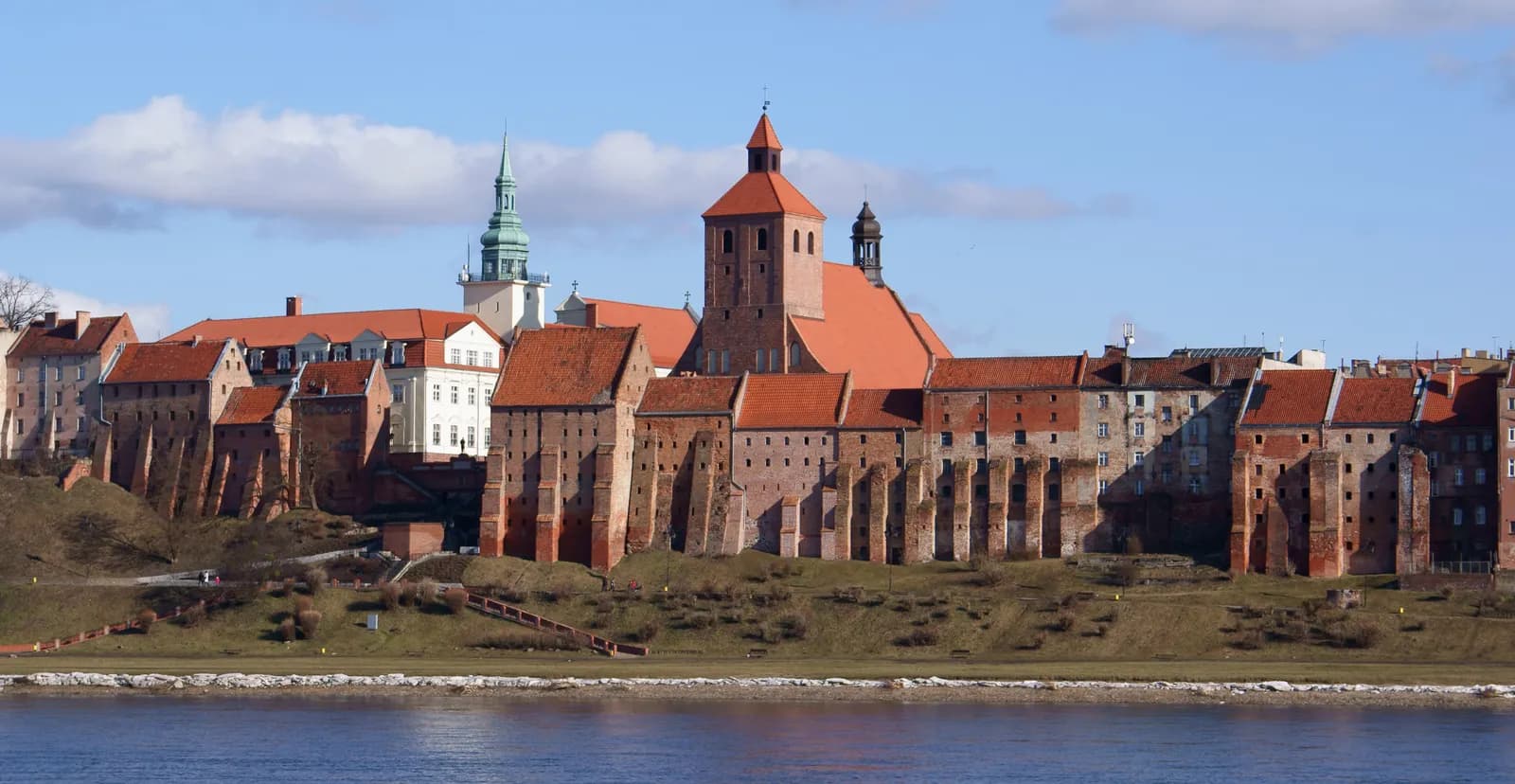
From the top of Castle Hill, Grudziądz unfolds in every direction. The red roofs of the Old Town lead towards the famous riverside granaries, while beyond them the Vistula winds through one of the widest stretches of valley in northern Poland. It is an impressive view in any season, but it is also a reminder that this hill has been the city's most important vantage point for centuries.
Today, visitors come here for the scenery, the walking routes and the modern Klimek Tower. Beneath the lawns and pathways, however, lie the remains of a medieval fortress that once helped shape the history of the region.
The Birthplace of Medieval Grudziądz
Long before Grudziądz became known for its distinctive granaries overlooking the Vistula, Castle Hill was the centre of power.
The Teutonic Order began building its castle here around 1260, choosing the highest ground above the river to control trade and defend this important stretch of Chełmno Land. By the end of the 13th century, the fortress had grown into one of the Order's largest convent castles, with residential buildings, a chapel, workshops, kitchens, a brewery, hospital and a well reaching around 50 metres below the surface.
For medieval travellers approaching by river, the castle would have been the first sign of Grudziądz, its walls dominating the skyline long before the famous granaries were built.
The best-known part of the castle was the Klimek Tower.
Rising to around 30 metres, the cylindrical tower served as both a lookout and a defensive structure, while also being used as a prison during quieter periods. Over the centuries it became much more than part of the castle. It became a symbol of Grudziądz itself.
Generations of residents grew up with the tower forming part of the city's skyline. It appeared on postcards, paintings and official publications, becoming as closely associated with Grudziądz as the granaries are today.
A Castle That Gradually Disappeared
The castle survived wars between Poland and the Teutonic Order before suffering further damage during the Swedish invasions of the 17th century.
Its greatest decline came after the First Partition of Poland. From 1781 onwards, the Prussian authorities dismantled much of the fortress, using its bricks in other construction projects across the city. As the years passed, the castle slowly disappeared from the landscape, leaving only fragments behind.
The Klimek Tower remained, continuing to watch over Grudziądz long after the rest of the fortress had gone.
The Final Chapter of the Original Klimek
The tower's long history came to an end during the final weeks of the Second World War.
On 5 March 1945, retreating German forces demolished the original Klimek Tower before leaving the city. One of Grudziądz's oldest landmarks vanished overnight, leaving a gap in the skyline that many residents remembered for decades afterwards.
Although the medieval tower was lost, the hill itself remained a place where people gathered, walked and looked out across the river.
What Lies Beneath the Grass
Castle Hill still had stories to tell.
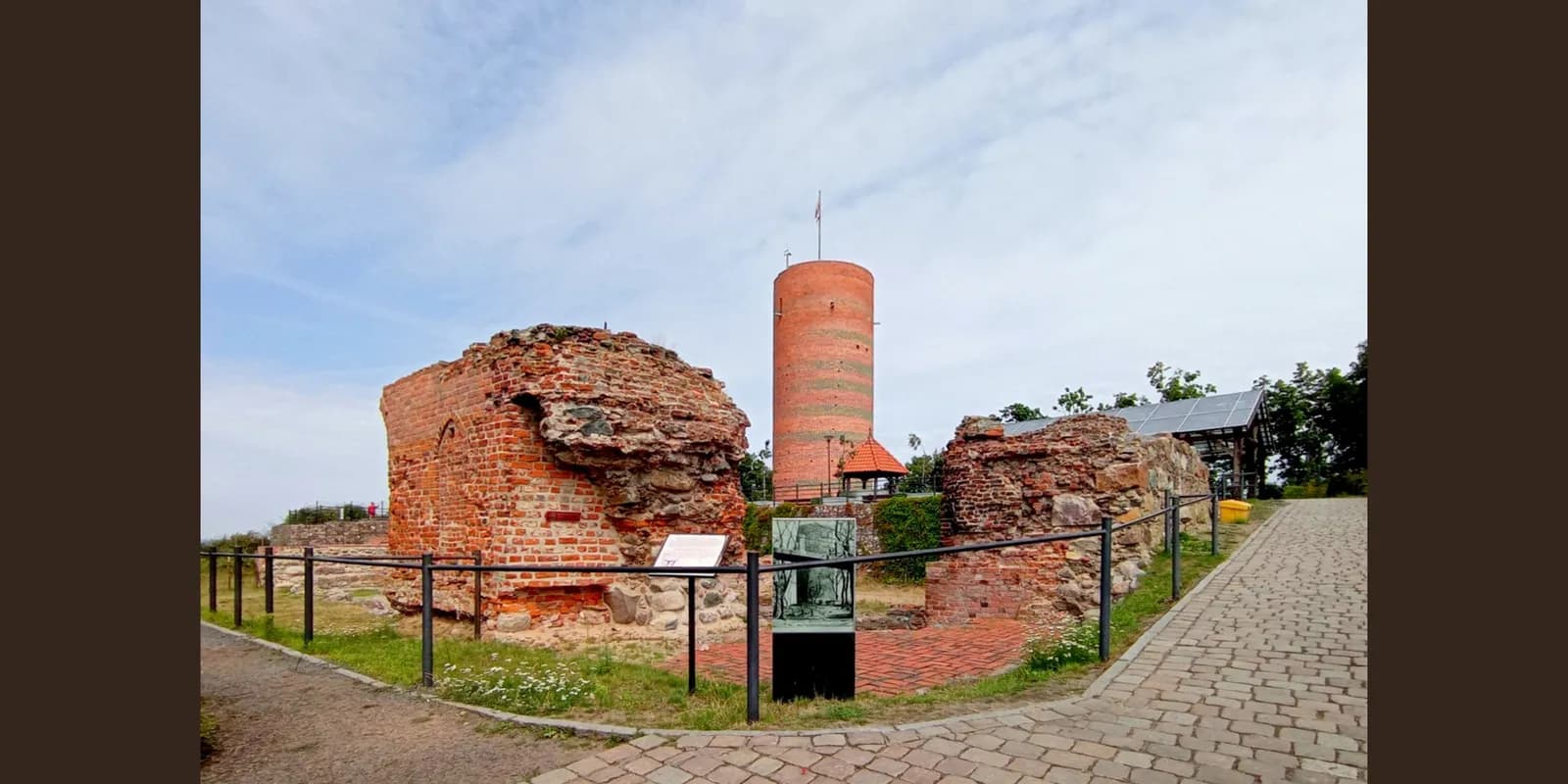
Archaeological excavations carried out during the 21st century uncovered extensive remains of the Teutonic castle, including walls, foundations and other structures that revealed far more about the scale of the fortress than had previously been known.
Researchers also discovered evidence that people had settled here thousands of years before the castle was built. Finds dating from the Neolithic period, the Bronze Age and the Early Middle Ages confirmed that this prominent hill had attracted communities long before Grudziądz emerged as a medieval town.
Looking Out Over Grudziądz Once Again
The transformation of Castle Hill, completed in 2014, gave the site a new lease of life without trying to recreate the past.
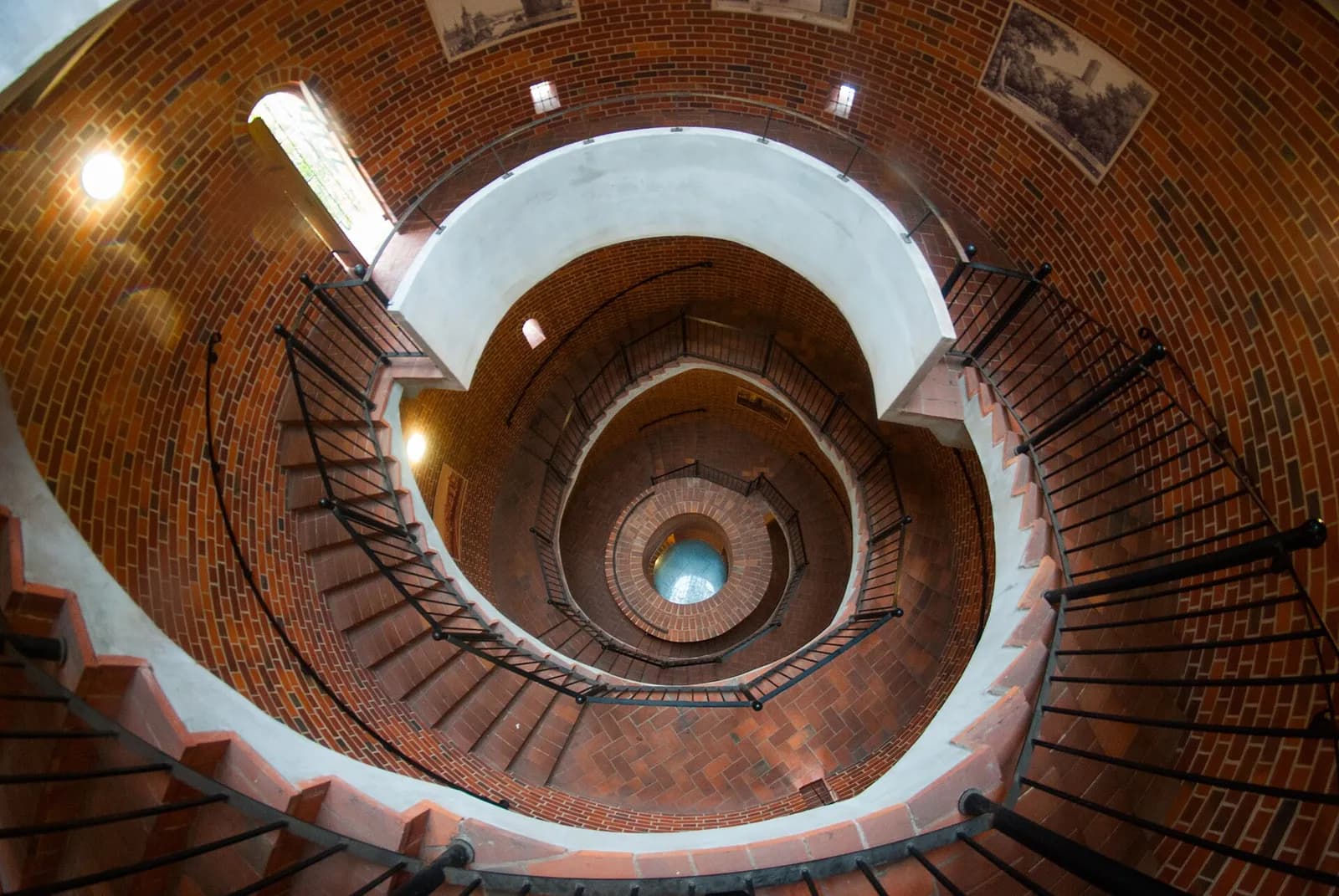
The archaeological remains were preserved, new walking routes and information boards were added, and a contemporary viewing tower was built on the site of the original Klimek. Rather than being an exact reconstruction, it provides a respectful reminder of the landmark that once stood here while allowing visitors to enjoy one of the finest views in the city.
From the top, the panorama takes in the Old Town, the Vistula River, the surrounding countryside and, on particularly clear days, settlements far beyond Grudziądz. It is easy to understand why this hill has remained such an important place for so many centuries.
image credit: Gorofil, CC BY-SA 4.0 / XDzonox, CC BY-SA 4.0